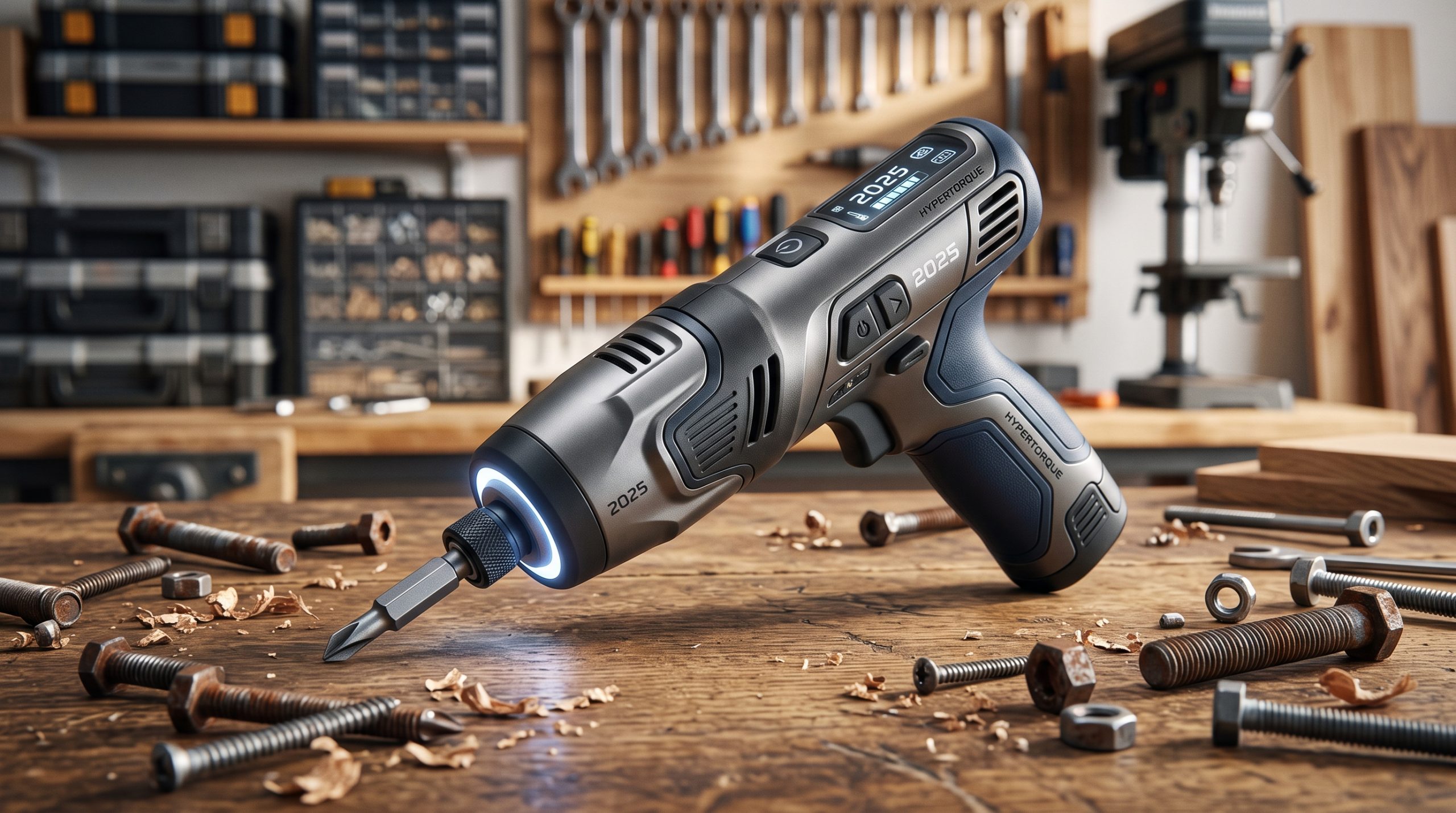
An impact driver is the better choice when a regular drill or screwdriver stalls on long screws, lag bolts, or dense material. An impact driver is a compact power tool that combines rotary force with a hammering mechanism to drive or loosen stubborn screws and fasteners with more torque than a standard drill/driver.
Shoppers may search for “impact screwdriver,” but this article uses impact driver consistently. It is different from a lower-power cordless screwdriver, which suits cabinet hinges, outlet covers, and picture-hanging screws. It is also different from an impact wrench, a socket-drive tool commonly using a 1/2-inch square drive for nuts and bolts. The comparison weighs torque, RPM, size, control, noise, and battery format. An impact driver is not automatically right for delicate screws or ordinary household assembly. The shortlist below is organized by the job each tool handles best.
Key Takeaways
- Milwaukee is the strongest all-around pick in the source testing.
- DeWalt Atomic suits tight spaces and overhead work.
- FLEX delivers the most muscle but can overwhelm small fasteners.
- Ryobi’s bare-tool format is valuable only if you already own its battery.
- A cordless screwdriver remains better for delicate, light-duty fastening.
Best Impact Screwdriver 2025: Top Picks for Tough Jobs
Milwaukee is the strongest all-around choice in the first source’s test, DeWalt Atomic is the more sensible pick for tight spaces, and FLEX is for maximum muscle. The source researched 12 impact driver kits priced from $100 to $300 at the time of testing; those prices and availability are time-sensitive.
| Pick | Best for | Torque and speed | Size and weight |
|---|---|---|---|
| Milwaukee M18 Fuel 2953-20 | Best overall | 2,000 inch-pounds; 3,900 RPM; four speeds | 4.47-inch head; 2.2-pound bare |
| Ryobi ONE PSBID04 | Best value | 2,300 inch-pounds; 3,400 RPM; four speeds | 5.1-inch head; 3.8 pounds with 4Ah battery |
| DeWalt Atomic DCF850 kit | Best compact | 1,825 inch-pounds; 3,250 RPM | 3.97-inch head; 2.1-pound bare |
| Makita XDT20 | Best features | 1,590 inch-pounds; 3,600 RPM; four speeds | 4.5-inch head; 2.3-pound bare |
| DeWalt DCF870 hydraulic | Quietest | 500 inch-pounds; 3,000 RPM; four speeds | 4-inch head; 2.2-pound bare |
| FLEX 24-volt | Best power | 2,500 inch-pounds; 4,000 RPM; three speeds plus two modes | 4.8-inch head; 4.3 pounds with 3.5Ah battery |
| Ridgid 18V four-mode kit | Best for DIYers | 2,400 inch-pounds; 3,400 RPM; four modes | 5.1-inch head; 4 pounds with 6Ah battery |
Milwaukee M18 Fuel 2953-20: The first source found the best balance of power and compactness here. It drove a 3-inch lag bolt through stacked lumber in two seconds and bored a 1-inch spade-bit hole through a treated 2×6 in under three seconds. Its four speed options help keep that strength manageable.
Ryobi ONE PSBID04: This is a practical lower-cost DIY option, with strong torque and four speed options. It is sold as a bare tool, according to the first source, so the value can disappear if you need to buy a compatible battery and charger.
DeWalt Atomic 20V MAX DCF850: The 3.97-inch head is the standout for cabinet interiors, narrow framing spaces, and other tight spots. In the first source’s testing, it drove 3-inch lag bolts in under three seconds without the bulk of a larger model.
Makita XDT20: Choose this compact impact driver for controlled fastening. The first source identifies assist and reverse-rotation auto-stop modes, which can help when starting screws or releasing fasteners without continuing to hammer.
DeWalt DCF870 hydraulic: Its hydraulic drive reduces noise and vibration, according to the first source. The 500 inch-pounds of torque is modest beside the other picks, making this a better fit for occupied homes or repeated fastening than for the hardest lag bolts.
FLEX 24-volt: This was the strongest performer in the first source’s testing, with 2,500 inch-pounds and 4,000 RPM. That muscle can feel excessive for small fasteners; the source warns that it can strip small wood-screw heads even at low speed.
Ridgid 18V brushless four-mode kit: The Ridgid combines capable output with a high-capacity 6Ah battery included in the kit, according to the first source. It suits DIYers who want one ready-to-use package rather than a bare tool.
The first source tested 3-inch deck screws in two stacked 4x4s, 3-inch lag bolts in stacked lumber, and a 1-inch spade bit through a treated 2×6. Torque is rotational force measured in inch-pounds; RPM means rotations per minute. More of either can speed heavy work, but higher numbers can be overkill for small screws. The right shortlist depends on physical size, control, battery ownership, and work environment.
What to Consider Before Buying an Impact Driver
For cabinet installation, a short head and low-speed setting matter more than maximum torque because the tool must fit between face frames without burying a hinge screw. Match the impact driver to the fastener and workspace before comparing headline numbers.
The first source found head lengths from under 4 inches to more than 5 inches, with overall heights of 8 to 10 inches when batteries were attached. Bare-tool weights ranged from under 2 pounds to 2.5 pounds, while batteries added about 1 to 2 pounds. A lighter, shorter tool is easier overhead and in confined spaces.
For long screws, lag bolts, hardwood, and masonry, compare torque and RPM. The first source found ranges of 400 to 2,500 inch-pounds and 2,600 to 3,900 RPM. Do not select the highest torque rating for delicate cabinet hardware. Variable-speed triggers and two to four speed settings reduce stripped heads and overdriven screws. Automatic modes can slow startup or loosening, and LED work lights are common.
Check the 1/4-inch hex chuck, battery platform, and whether the listing includes a battery and charger. Impact drivers come in 12-, 18-, 20-, and 24-volt formats; the first source explains that 18V and 20V labels use the same startup and sustained-voltage convention, not a simple power advantage. A brushless motor can improve efficiency and durability when confirmed in the specification. Choose a drill/driver or manual screwdriver when you need a conventional chuck, very low-speed control, or delicate clutch work. Match the driver to fastener size, workspace, and your existing battery system.
Choose the Right Tool for Your Fasteners
Use a cordless screwdriver for a cabinet hinge, an impact driver for a deck screw, and an impact wrench for a car lug nut. That three-way example captures the difference between these home improvement tools.
An impact driver suits long screws, lag bolts, framing, decking, and dense wood, composite, or metal. A cordless screwdriver is preferable for outlet plates, cabinet hinges, furniture assembly, and light-duty fastening. The second source tested nine cordless screwdrivers for 12 hours across six tests involving drywall, pine, and birch; some lighter models bogged down in wood, so those figures are source-specific rather than a universal standard.
An impact wrench belongs with automotive or large-bolt socket work. An impact driver can still be too aggressive for small screws, soft materials, or finish-sensitive surfaces. Select the tested pick whose size, control, and battery setup fit your most common fasteners.